
Achieve True Sterility: The Guide to Aseptic Liquid Vial & Eyedrop Filling Machines
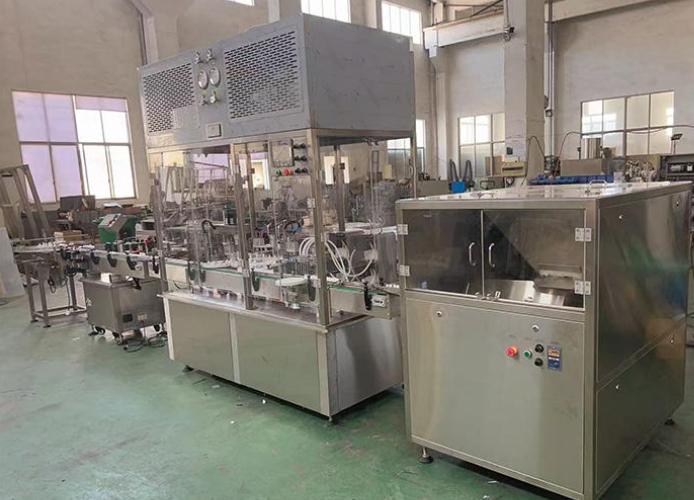
In the high-stakes world of pharmaceutical manufacturing, sterility is non-negotiable. For injectable vials and ophthalmic eyedrops, any compromise in aseptic integrity can have serious consequences. This is where investing in a precision small scale aseptic filling machine transitions from an operational need to a critical commitment to patient safety.
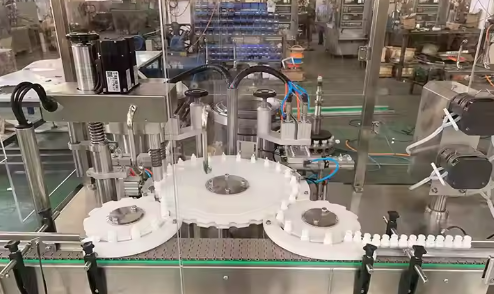
For manufacturers specializing in low-volume, high-value products like biologics, vaccines, hormones, or sensitive ophthalmics, a dedicated aseptic vial filling machine or eyedrop filling machine is the cornerstone of a compliant production line. This guide explores the key considerations for selecting the right aseptic filler for your needs.
The Critical Role of Aseptic Filling Machines
Unlike terminal sterilization, where the product is filled and then sterilized in its final container, aseptic processing requires that the sterile product is filled into a sterile container within a sterile environment. This demands an unparalleled level of control, provided by a certified aseptic liquid filling machine.
Key applications include:
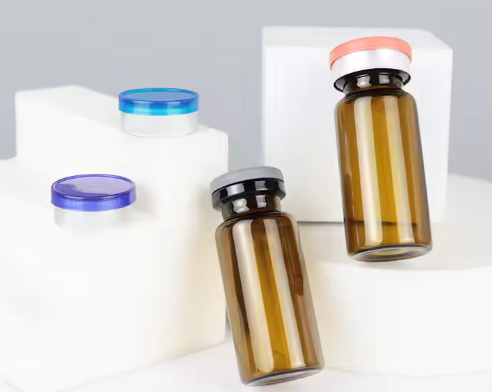
Injectables: Vaccines, biologics, antibiotics in small glass vials.
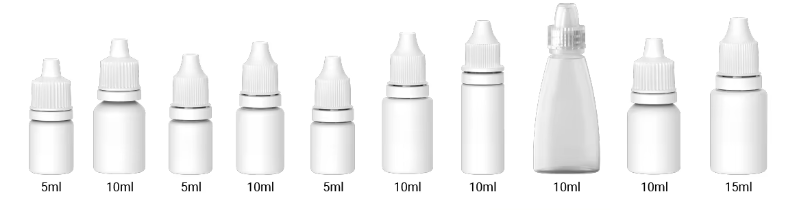
Ophthalmic Solutions: Eyedrops, lubricants, and other sterile ocular medications.
Diagnostic Reagents: Sensitive liquid reagents for medical testing.
Why Precision Matters for Small-Volume Filling
Filling small volumes (from 0.5ml to 30ml) presents unique challenges. Accuracy and consistency are paramount to ensure correct dosage, minimize product giveaway of costly APIs, and maintain container closure integrity. Modern aseptic filler technology addresses this through advanced filling systems like peristaltic pumps or servo-driven piston pumps, which offer exceptional volumetric precision with fill accuracy often exceeding ±0.5%.
Matching Throughput to Your Production Needs
Not every production line requires a massive, high-speed system. Many pilot plants, specialized labs, and niche manufacturers need flexible, scalable solutions. Here’s how our aseptic filling machines cater to different output requirements:
Compact & Flexible: 20-30 vials/min
This range is ideal for:Pilot Production and R&D: Scaling up from laboratory bench-top equipment.
Clinical Trials Manufacturing: Producing small, critical batches with exacting standards.
Niche & Low-Volume Products: Manufacturing orphan drugs or specialized ophthalmics without excessive capital investment.
These systems often feature a semi-automatic operation or compact inline design, offering exceptional flexibility for quick changeovers between different vial sizes or products with minimal downtime.
Optimized Output: 50-60 vials/min
This throughput is perfect for:Established Small-Batch Production: Efficiently meeting market demand for commercial products.
Mid-Sized Biotech Companies: Balancing high quality with increased output.
Multi-Product Facilities: Machines in this range are designed for faster, more efficient runs while maintaining the agility to switch products.
These are typically fully automatic aseptic liquid filling machines with integrated rotary systems for rinsing, filling, and stoppering/capping, maximizing efficiency while upholding sterility.
Core Technologies Ensuring Aseptic Integrity
A true aseptic vial filling machine is defined by its technologies that prevent contamination:
Laminar Air Flow (ISO 5 Environment): Creates a pristine, particle-free zone over the critical filling area.
Closed System Filling: Utilizes sterile tubing and pathways (like peristaltic systems) where the liquid only contacts a single-use, pre-sterilized pathway, eliminating CIP/SIP requirements and cross-contamination risk.
Integrated Sterilizing Tunnels: For vials, a depyrogenation tunnel can be directly connected to the filling line, ensuring containers enter the fill zone sterile and hot.
Isolator or RABS (Restricted Access Barrier System): Provides a physical barrier between the operator and the critical process, significantly reducing the biggest potential source of contamination: human interaction.
Choosing Your Aseptic Filling Partner
Selecting the right pharma filling machine partner is as crucial as the machine itself. Look for a manufacturer with proven expertise in aseptic processing, robust validation support (IQ, OQ, PQ), and a commitment to building reliable, cGMP-compliant equipment.
ChengPak: Your Trusted Partner in Aseptic Processing
We engineer precision aseptic filling machines for the most demanding pharmaceutical and ophthalmic applications. Our solutions are designed to deliver unmatched sterility assurance, accuracy, and operational efficiency—whether you need a flexible system for 20 vials per minute or a robust line for 60.
Ready to build confidence in your sterile manufacturing process?
[Contact Us Today] to discuss your project and discover how our vial filling machine and eyedrop filling machine solutions can protect your product and your patients.